

Did You Know…
- About 60% of women with bladder pain syndrome (Insterstitial Cystitis) also have chronic pelvic pain, while almost
- 50% percent of women with endometriosis suffer from chronic pelvic pain.
- 70% of women with a previous diagnosis of endometriosis are diagnosed with chronic pelvic pain.
- Women with a past medical history significant for pelvic trauma or surgery are at a much higher risk of developing chronic pelvic pain compared to the general population.
- 28% of women develop persistent pelvic pain following an elective cesarean delivery, three months postoperatively, while 20% of women continue to have persistent pain six months postoperatively.
- Myofascial pelvic pain in women may be the underlying cause of chronic pelvic pain in 14% to 23% of cases and up to 78% of cases of interstitial cystitis.
- Pain scores significantly improved proportional to the number of physical therapy visits completed, with 63% of patients reporting significant pain improvement, concluding that transvaginal physical therapy is an effective treatment for chronic pelvic pain resulting from myofascial pelvic pain.
Pelvic Floor Dysfunction and Female Pelvic Pain
Female pelvic pain generally refers to burning, itching, aching, or other types of pain in the vulva, vagina, perineum and/or anal area. These pain symptoms may be constant or intermittent. Symptoms can be provoked, such as with intercourse or tampon insertion, or unprovoked and spontaneous. Pain can be mild, moderate, or severe.
Women with pelvic pain can also experience other symptoms such as:
- Pain with intercourse
- Hypersensitivity to underwear or other tight-fitting clothing
- Pain with sitting
- An exacerbation of pain with exercise
- Urinary urgency, frequency, hesitancy, and leakage
- Abdominal bloating and/or abdominal pain
- Constipation
- Low Back pain or Hip pain
Diagnoses associated with pelvic pain include:
- Vestibulodynia
- Vulvodynia
- Vaginismus
- Endometriosis
- Interstitial Cystitis/Painful Bladder Syndrome
- Pudendal Neuralgia
- Irritable Bowel Syndrome
- Lichens Sclerosis
Women can develop pelvic pain for a number of reasons. Causes of pelvic pain include:
- Pelvic floor muscle dysfunction
- High stress and anxiety
- Recurrent or chronic vaginal or urologic infections such as yeast infections or urinary tract infections
- Chronic gastrointestinal or dermatologic conditions
- Chronic Constipation
- Prescription medications such as oral contraceptive medications, acne medications, or hormonal suppressive therapies commonly used for conditions such as Endometriosis or Polycystic Ovarian Syndrome
- Surgical trauma such as a Cesarean section or hysterectomy
- Orthopedic injuries or trauma
- Biomechanical or structural dysfunction such as sacroiliac joint dysfunction, hip dysfunction, scoliosis, poor posture, abnormal foot mechanics
- Vaginal childbirth
- Menopause
Challenges to diagnosis and treatment
Women face many challenges when it comes to diagnosing pelvic pain as well as receiving proper treatment. One of the reasons women are often misdiagnosed is that many of these symptoms mimic other pathologies such as a yeast infection, urinary tract infection, or sexually transmitted infections. Other times the symptoms may be mistaken for primary dysmenorrhea or menstrual pain. Many medical providers are unaware that pelvic floor dysfunction can be the culprit for many symptoms of pelvic pain leading to misdiagnosis and delay of effective treatment.
What is Pelvic Floor Physical Therapy and how it can help Pelvic Pain
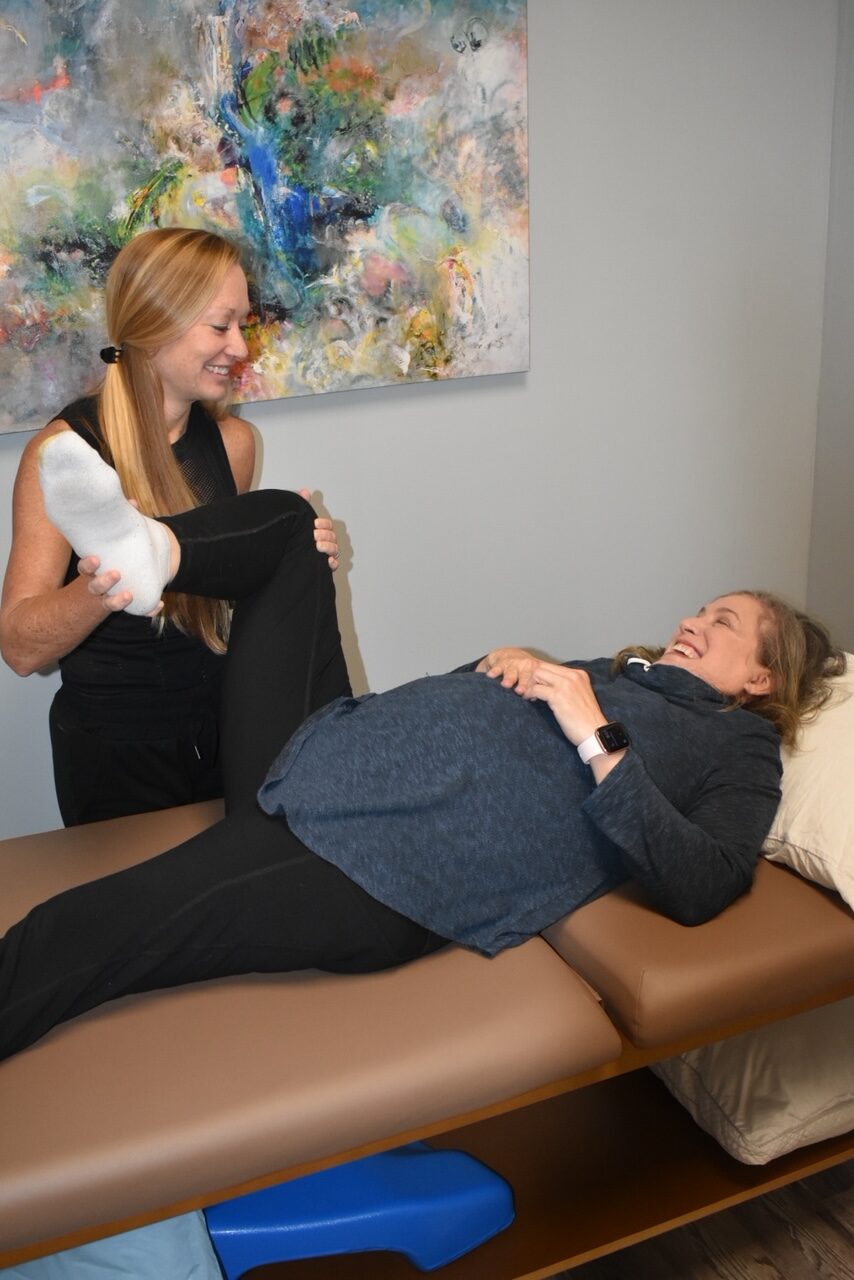
Pelvic floor physical therapists specialize in the treatment of pelvic pain and other pelvic floor disorders. Pelvic floor physical therapy is often a vitally important component of the treatment plan for anyone experiencing pelvic pain. Women experiencing pelvic pain will almost certainly benefit from a pelvic floor physical therapy referral and evaluation. During the evaluation the physical therapist takes a comprehensive history to understand exactly how and when the symptoms began, the nature of the symptoms, the woman’s complete medical history, including previous diagnoses and treatments and the effectiveness of those treatments. During the physical examination the physical therapist evaluates the muscles, tissues, joints, nerves, and movement patterns. The pelvis should not be the only body part examined. A “whole body” approach should be taken; this includes an evaluation of spinal posture all the way down to foot ROM and strength. After the examination, the physical therapist reviews and explains their findings and develops a comprehensive treatment with collaboration by the patient. The treatment plan may last 6-12 weeks, potentially longer. Additionally, the physical therapist gives the patient an evolving home exercise program to facilitate the in-person treatment. Importantly, the physical therapist coordinates their care with the other members of the treatment team to optimize quality of care.
Do you think you need Pelvic Floor Physical Therapy and you are in the Birmingham, AL, area? Contact us to get more information!