Do I Need Pelvic Floor Physical Therapy?

Did You Know…

  • About 60% of women with bladder pain syndrome (Insterstitial Cystitis) also have chronic pelvic pain, while almost 
  • 50% percent of women with endometriosis suffer from chronic pelvic pain.
  • 70% of women with a previous diagnosis of endometriosis are diagnosed with chronic pelvic pain.
  • Women with a past medical history significant for pelvic trauma or surgery are at a much higher risk of developing chronic pelvic pain compared to the general population. 
  • 28% of women develop persistent pelvic pain following an elective cesarean delivery, three months postoperatively, while 20% of women continue to have persistent pain six months postoperatively.
  • Myofascial pelvic pain in women may be the underlying cause of chronic pelvic pain in 14% to 23% of cases and up to 78% of cases of interstitial cystitis.
  • Pain scores significantly improved proportional to the number of physical therapy visits completed, with 63% of patients reporting significant pain improvement, concluding that transvaginal physical therapy is an effective treatment for chronic pelvic pain resulting from myofascial pelvic pain. 

Pelvic Floor Dysfunction and Female Pelvic Pain

 Female pelvic pain generally refers to burning, itching, aching, or other types of pain in the vulva, vagina, perineum and/or anal area. These pain symptoms may be constant or intermittent. Symptoms can be provoked, such as with intercourse or tampon insertion, or unprovoked and spontaneous. Pain can be mild, moderate, or severe. 

Women with pelvic pain can also experience other symptoms such as:

  • Pain with intercourse
  • Hypersensitivity to underwear or other tight-fitting clothing
  • Pain with sitting
  • An exacerbation of pain with exercise
  • Urinary urgency, frequency, hesitancy, and leakage
  • Abdominal bloating and/or abdominal pain
  • Constipation
  • Low Back pain or Hip pain

Diagnoses associated with pelvic pain include:

  • Vestibulodynia
  • Vulvodynia
  • Vaginismus
  • Endometriosis
  • Interstitial Cystitis/Painful Bladder Syndrome
  • Pudendal Neuralgia
  • Irritable Bowel Syndrome
  • Lichens Sclerosis 

Women can develop pelvic pain for a number of reasons. Causes of pelvic pain include:

  • Pelvic floor muscle dysfunction
  • High stress and anxiety
  • Recurrent or chronic vaginal or urologic infections such as yeast infections or urinary tract infections 
  • Chronic gastrointestinal or dermatologic conditions 
  • Chronic Constipation
  • Prescription medications such as oral contraceptive medications, acne medications, or hormonal suppressive therapies commonly used for conditions such as Endometriosis or Polycystic Ovarian Syndrome
  • Surgical trauma such as a Cesarean section or hysterectomy
  • Orthopedic injuries or trauma
  • Biomechanical or structural dysfunction such as sacroiliac joint dysfunction, hip dysfunction, scoliosis, poor posture, abnormal foot mechanics
  • Vaginal childbirth
  • Menopause

Challenges to diagnosis and treatment 

Women face many challenges when it comes to diagnosing pelvic pain as well as receiving proper treatment. One of the reasons women are often misdiagnosed is that many of these symptoms mimic other pathologies such as a yeast infection, urinary tract infection, or sexually transmitted infections. Other times the symptoms may be mistaken for primary dysmenorrhea or menstrual pain. Many  medical providers are unaware that pelvic floor dysfunction can be the culprit for many symptoms of pelvic pain leading to misdiagnosis and delay of effective treatment.  

What is Pelvic Floor Physical Therapy and how it can help Pelvic Pain

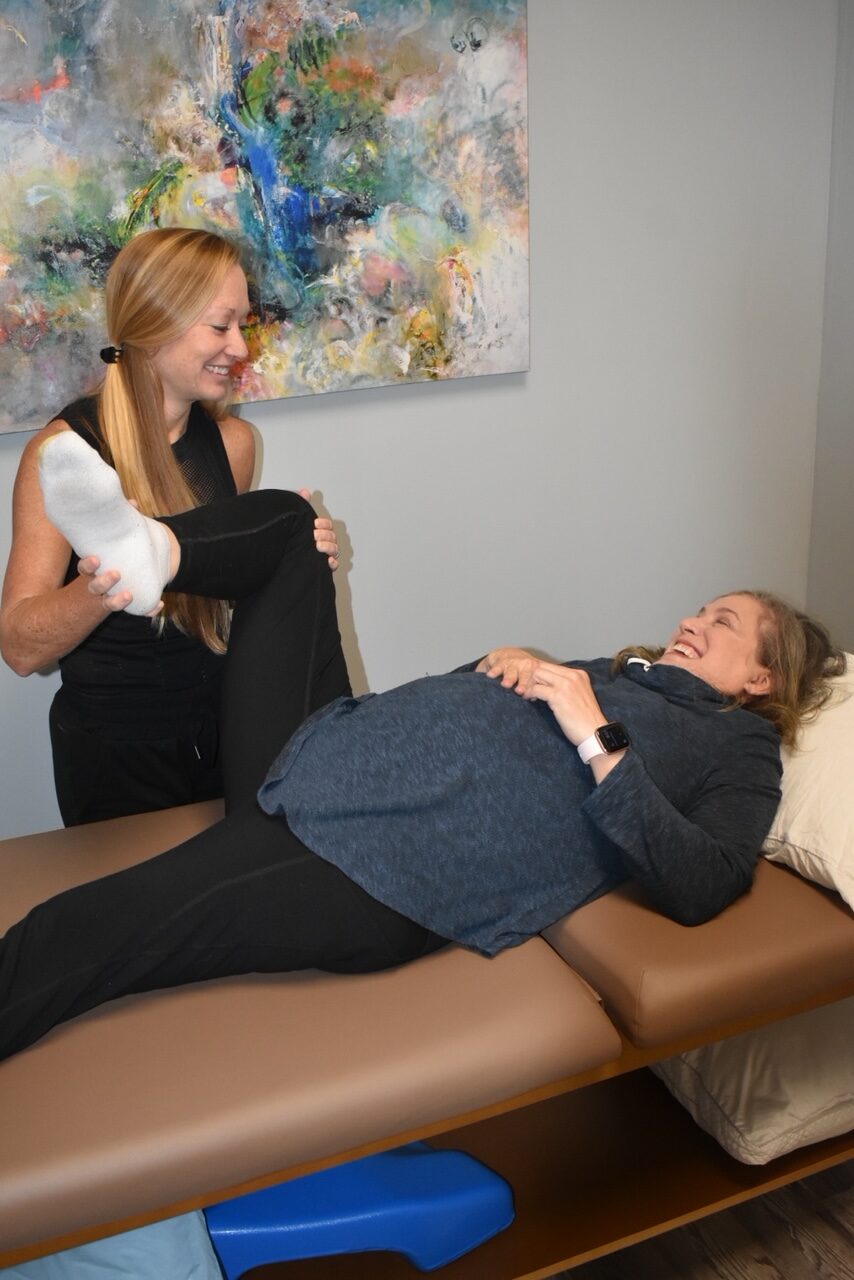
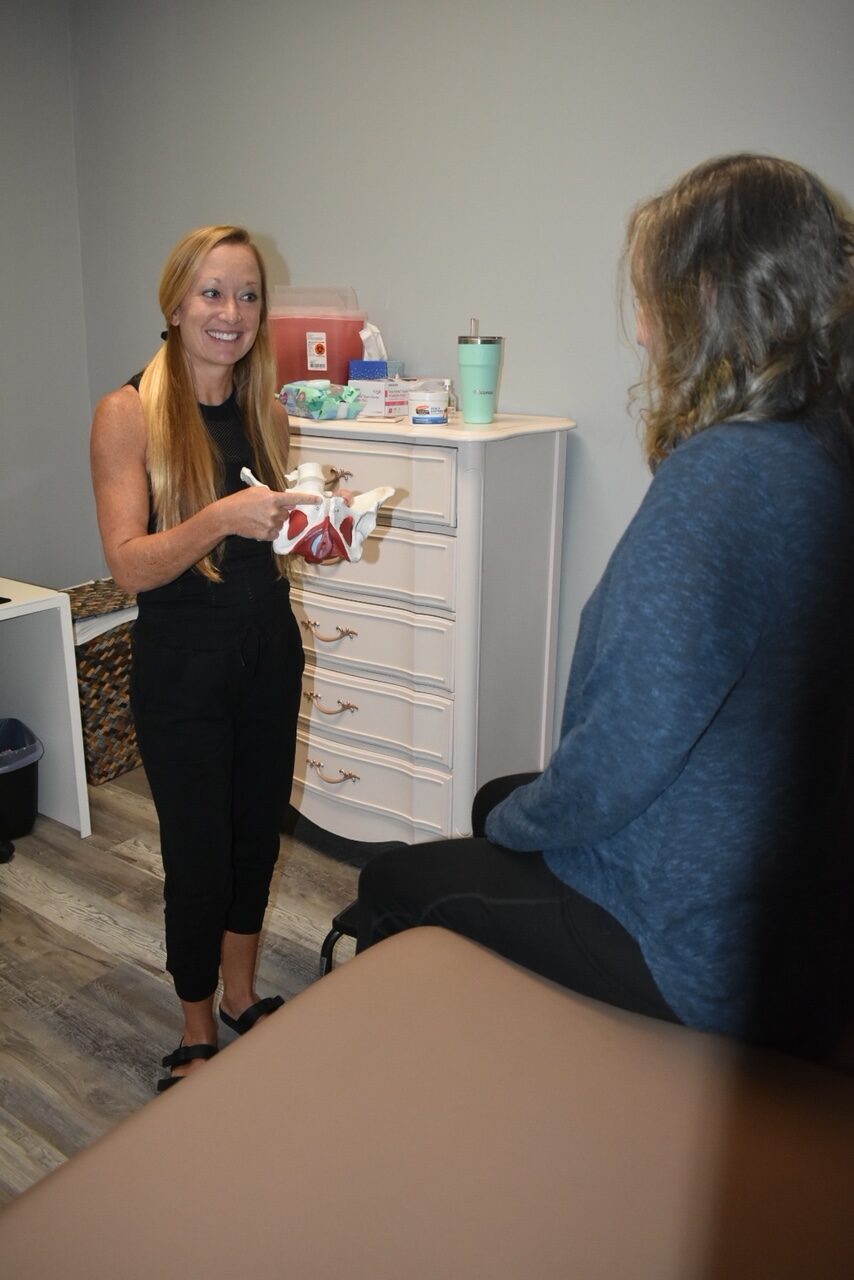
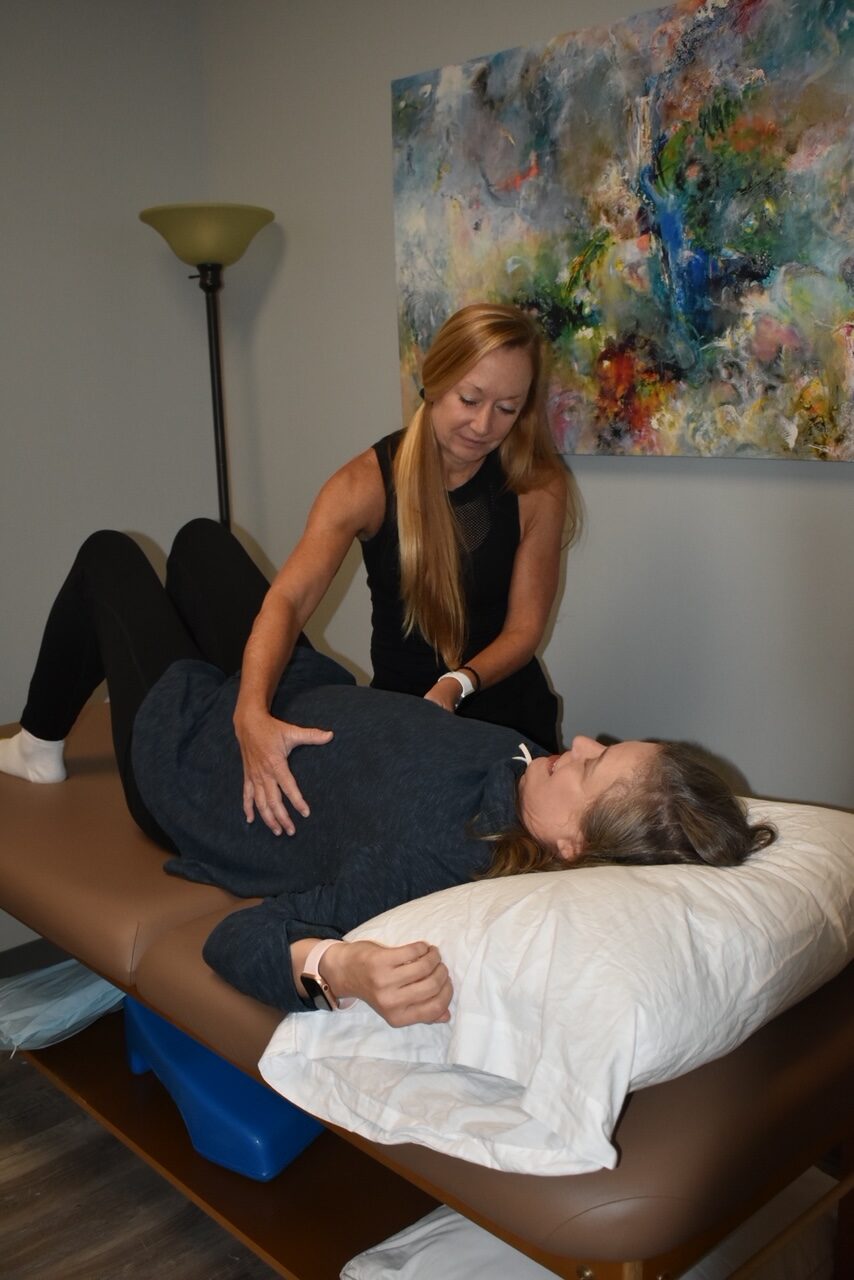
Pelvic floor physical therapists specialize in the treatment of pelvic pain and other pelvic floor disorders. Pelvic floor physical therapy is often a vitally important component of the treatment plan for anyone experiencing pelvic pain. Women experiencing pelvic pain will almost certainly benefit from a pelvic floor physical therapy referral and evaluation. During the evaluation the physical therapist takes a comprehensive history to understand exactly how and when the symptoms began, the nature of the symptoms, the woman’s complete medical history, including previous diagnoses and treatments and the effectiveness of those treatments. During the physical examination the physical therapist evaluates the muscles, tissues, joints, nerves, and movement patterns. The pelvis should not be the only body part examined. A “whole body” approach should be taken; this includes an evaluation of spinal posture all the way down to foot ROM and strength. After the examination, the physical therapist reviews and explains their findings and develops a comprehensive treatment with collaboration by the patient. The treatment plan may last 6-12 weeks, potentially longer.  Additionally, the physical therapist gives the patient an evolving home exercise program to facilitate the in-person treatment. Importantly, the physical therapist coordinates their care with the other members of the treatment team to optimize quality of care. 

Do you think you need Pelvic Floor Physical Therapy and you are in the Birmingham, AL, area? Contact us to get more information!


How to Decrease Swollen Feet and Ankles During Pregnancy

Swollen feet are a common side effect during pregnancy and more than just an inconvenience when it comes to sizing up in a pair of shoes. Many women notice that their feet grow in length and width over the course of their pregnancy due to hormonal changes and excess fluid accumulation. The changes to your feet can cause your arches to flatten, putting increased strain on the muscles of your pelvic floor. 

During pregnancy, your growing belly causes shifts in your weight distribution and posture, which can flatten the feet and cause your pelvis to tilt differently. If your pelvis rotates too far forward or backward, it can cause decreased lumbar spine support, creating a cascade of other issues which can include pelvic floor dysfunction and core weakness. 

Fortunately,  just by giving your feet some regular attention you can decrease the severity of any swelling you may experience and ensure your feet are helping to balance your pelvis, rather than contribute to dysfunction.

Edema is another word for swelling. One reason you may experience swollen feet is due to water retention during pregnancy. Excess water helps ensure the efficient transfer of oxygen and nutrition to your baby. Why does swelling occur mostly in the feet and lower legs? Because we spend so much time with our feet on the ground, gravity tends to cause fluid to pool around the feet and ankles.

Perhaps opposite to what you might think, one of the easiest and most important ways to avoid fluid retention is to actually to stay hydrated. Drinking plenty of water helps improve lymphatic circulation, which flushes your body of toxins and keeps fluid from pooling. Caffeine and salt both cause dehydration and subsequently water retention, so limiting your intake of both is helpful when it comes to overall health.

Exercise is a powerful force when it comes to getting blood, oxygen, and lymphatic fluids moving. Walking is a great way to get exercise during pregnancy. As a general rule of thumb, you can perform most any exercise during pregnancy that you were performing prior to pregnancy. In general, try to avoid standing or sitting in one position for too long. If you have a desk job, try to get up at least every hour, stretch, and walk around a bit. 

Some other tips for avoiding swollen feet are: 

  • Put your feet up! Using a footstool at your desk, propping your feet up while you watch Netflix (or go down a scroll hole – no judgement!) and even using a little foot pillow for sleep can help with circulation. 
  • Wear knee high compression socks. Ankle compression socks will only push the fluid up to the lower leg. As a Certified Lymphedema Therapist, I recommend 20-30 mm hg compression socks for those with mild edema that recedes overnight. Be sure to measure your ankles and calves when they are at their smallest size and use the Brand’s sizing chart to pick which size will work best for you. Be sure to avoid folding over the top and smooth out any wrinkles when wearing them. Quality compression sock brands include Juzo, Jobst, Sigvaris, and Medi. 

Hydrating, exercising, and elevating your feet will not only reduce edema but also flush toxins, but it will also ensure lots of oxygen and nutrients are getting to your baby.

Do you need help managing your pregnancy symptoms? Contact us!

Magic City Physical Therapy
3075 John Hawkins Parkway, suite J
Hoover, AL 35244
Phone (205) 202-0874
Fax (205) 293-3895
www.magiccitypt.com
@magiccitypt (Instagram and Facebook)

The Pelvic Floor and the Foot Connection

Did you know that there is a strong relationship between your feet and the muscles of the pelvic floor? When addressing  pelvic floor dysfunction, including diagnoses like Pelvic Organ Prolapse or Incontinence, your Pelvic Floor Physical Therapist should be looking at other areas that could be contributing to the issue.

Healthy feet are the true foundation to a strong and healthy Pelvic Floor and Core and can contribute to improved body alignment and functional movement.

The truth is that everything in your body is connected, and dysfunction anywhere along the chain can create strain elsewhere in the body, impacting muscles, joints, and ligaments. For example, a hunched or slouched upper back posture can create abdominal and pelvic floor muscle shortening and dysfunction.

Whether you’re experiencing a mild, annoying pain in your pelvic floor or a major traumatic injury, the whole body needs to be evaluated to find the root of the problem. If you want a healthy, balanced, and stronger pelvic floor, follow these tips and give your feet and pelvic floor the attention they deserve. Just paying a bit more attention to the part of your body that connects you to the ground and carries you around on a daily basis can make a world of difference. 

Simply following these foot health tips can work wonders for your feet and body alignment. 

  • Walk barefoot as much as possible. This helps to strengthen the small intrinsic muscles of your feet.
  • Choose smart footwear (this is vital for your littles too). For example, wearing high heels or wedges on a regular basis can contribute to decreased Dorsiflexion range of motion at your ankle. The plantarflexed position of your ankle that high wedges and high heels cause will contribute to abnormal gait mechanics and can cause knee, hip, and low back pain.
  • Roll out the bottom of your feet regularly a tennis ball or frozen water bottle.
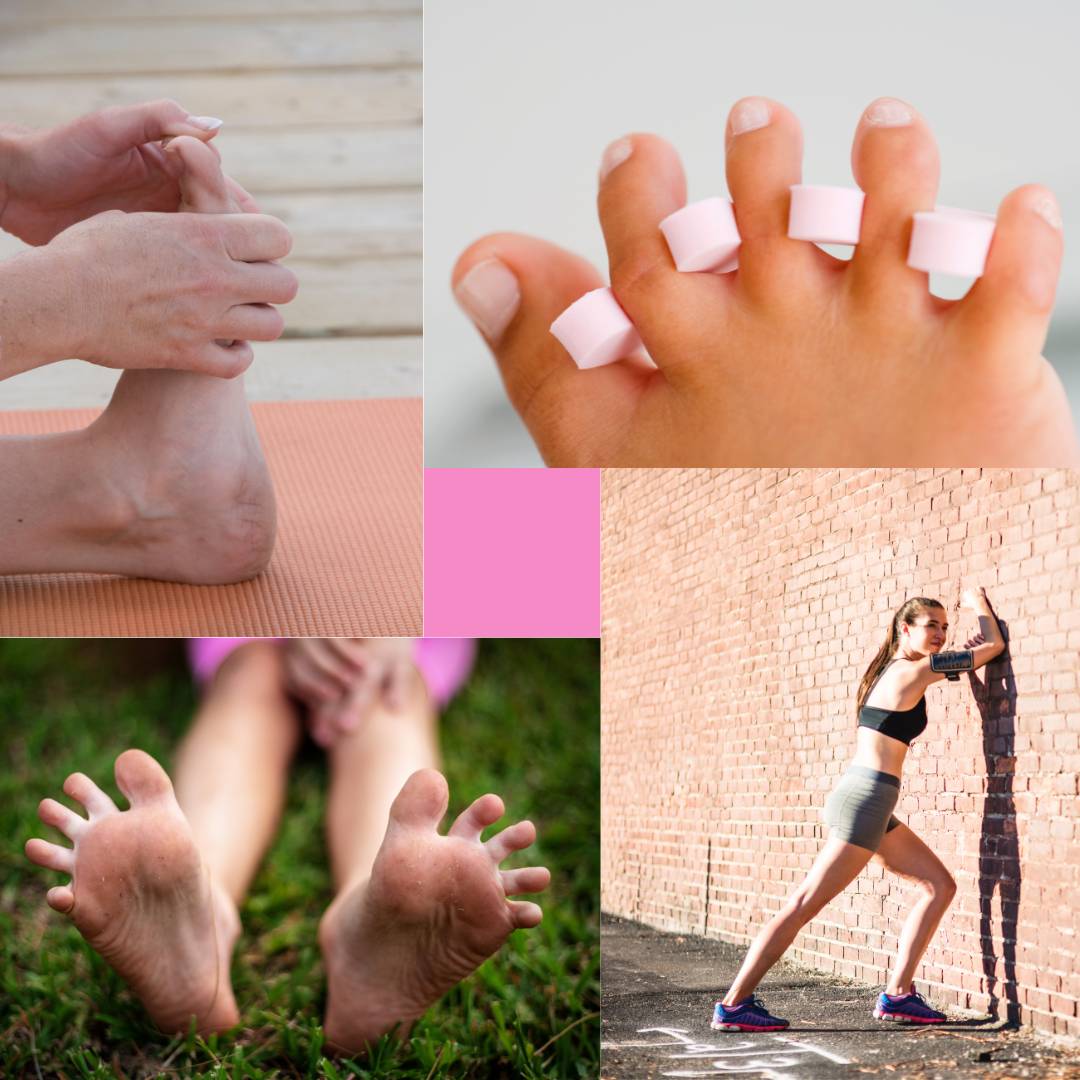
  • Regularly work on ankle/ foot/ toe mobility. See pictures below.
  • Stretch out your toes and help prevent bunions by wearing toe spacers on a regular basis. 
  • Work on strength and coordination of your toes by practicing toe curls and toe spreading.

All of these exercises will improve your sense of the connection between your feet and the ground, and your feet and different parts of your body, including your pelvic floor . A stronger connection may help you avoid falling back into old movement habits that aren’t helping you, and ultimately prevent collapsing into your inner foot arches, causing inflammation and possible damage to your tendons and dysfunction further up the chain.

All of these little tweaks to your posture and body awareness add up to fewer aches and pains during and  greater ease of movement. By making these adjustments and becoming more aware of your body alignment and movement functionality, you can repair the relationship between your feet and the rest of your body, and in doing so resolve any pelvic floor issues you may be experiencing. 

Give your feet some extra love today!

Do you need help improving your Pelvic Health and overall functional mobility? Contact us!

Magic City Physical Therapy
3075 John Hawkins Parkway, suite J
Hoover, AL 35244
Phone (205) 202-0874
Fax (205) 293-3895
www.magiccitypt.com
@magiccitypt (Instagram and Facebook)

What is a Pelvic Floor PT session like (follow up session)?

Treatment Plan 

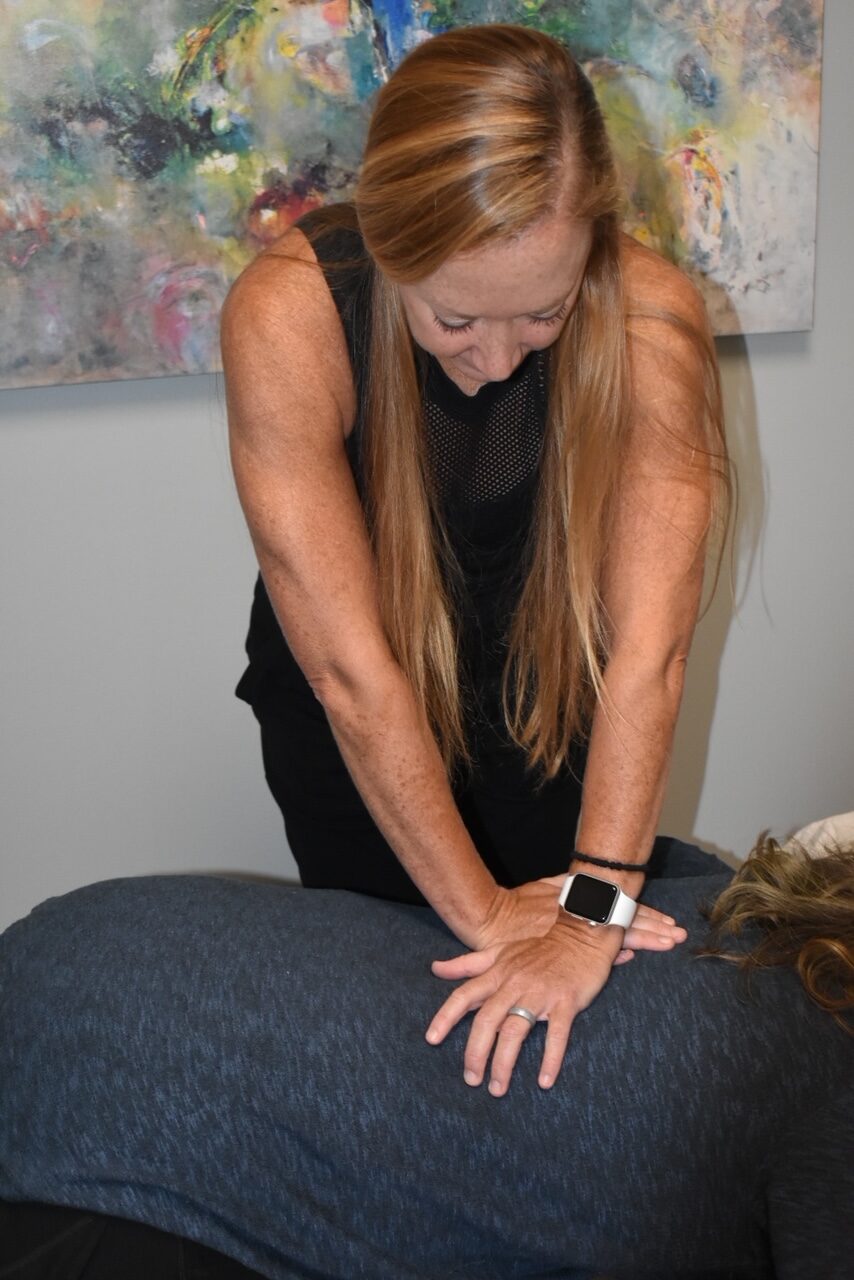
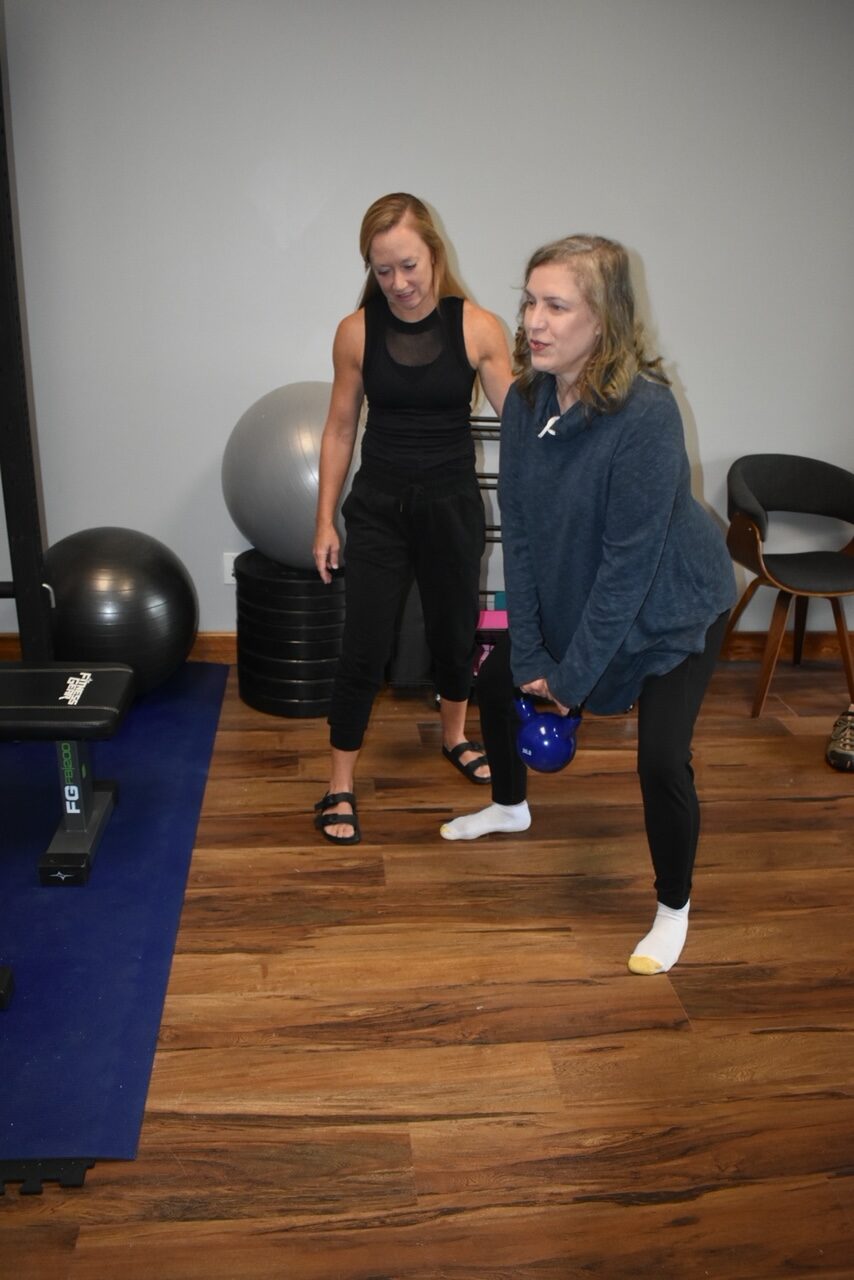
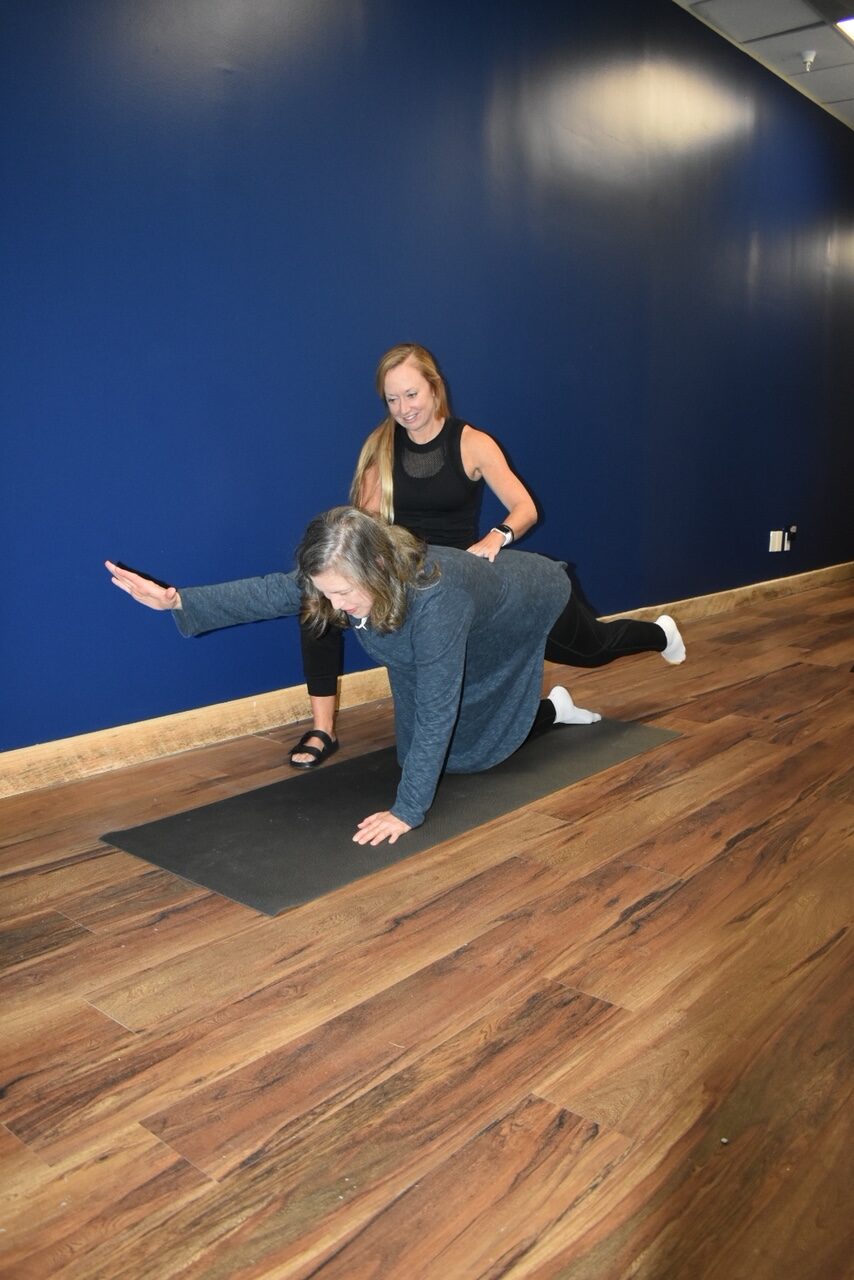
A typical treatment plan includes physical therapy one to two times per week. Based on the severity and chronicity of the problem, the duration of each patient’s plan varies from a few weeks to several months. Each plan is individualized to that person’s specific needs. The treatment plan almost always includes patient education (LOTS!), manual therapy, neuromuscular re-education, exercise and/or stretching, functional activities, manual biofeedback, and a home exercise program. You will be seen one-on-one by a Physical Therapist in our clinic. We will not use techs or students to substitute for a qualified PT. We will not juggle multiple patients at once and leave you to perform parts of your program on your own. 

It is important to us that we provide quality education and exercises/homework to do after the initial evaluation. The patient’s role in this process is just as important, if not more important,  than the physical therapist’s role. Therefore, the patient is also a key member of the team.

Patient Education

Most people have little knowledge about “normal” pelvic floor function. Whether our patient is a new mom, a young athlete, or someone with chronic pelvic pain, everyone needs education and guidance. We are often able to subdue fear and eradicate misconceptions to start to address patient concerns on the first day. The education process should be ongoing through every treatment session and home exercises, as well as clinic exercises, should be progressed. We aim to decrease symptoms and improve function on a weekly basis. 

It is important to us that we give a good explanation and are able to justify all of our treatments in physical therapy. The patient deserves to understand what we are doing and why to progress towards healing. For our treatments to work, we want the patient to understand why something is important to focus and work on. This will speed up the time of their recovery and overall give better results.

If your physical therapist or doctor is not giving you the why explanation, do not be afraid to ask. You will be that much more committed to the treatment if you understand why it is important. Plus it allows the provider to confirm they fully understand your symptoms and are recommending the best possible treatment. If you do not understand an explanation, again, do not hesitate to ask for clarification. Otherwise, the provider may think that you understand and this may delay progress. 

A Typical Treatment Session

Each treatment session is typically one hour just like the evaluation. You should be with the same PT you saw at the initial visit (at any clinic you are attending!). The first treatment after the evaluation often begins with answering any questions the patient may have after the initial encounter. Every treatment session begins discussing symptoms they have experienced over the last week, new exercises or habits they are working on, and changes they have noted (whether for better or for worse) since the initial evaluation.

The PT will often ask specific questions about their symptoms. For example, if the patient has pain with urination, the PT will ask detailed questions about the nature of the pain, intensity, how long it lasted, and if the treatment or exercise provided relief. The answers to these questions help us decide how to proceed with that session.

A typical treatment may include manual therapy techniques such as connective tissue manipulation, trigger point release externally or internally, dry needling,  nerve glides or mobilizations, joint mobilizations or manipulations, and visceral mobilization. Generally speaking, greater manual therapy is often part of a treatment session for people with pelvic pain whereas coordination and strengthening may be more involved in post-operative rehabilitation or for people with low-tone pelvic floor disorders. However, “hybrid” situations do exist and are treated accordingly.

The treatments we provide in each session are customized to the individual and their needs. Based on patient  response to the initial questioning, we focus on the areas that we believe are the biggest factors in your limitations. This means that one treatment may incorporate more manual therapy while the next treatment may be focused on re-training your habits, postures, and movements. Typically, most treatment sessions require some internal manual therapy or manual biofeedback since these conditions almost always produce some form of pelvic floor dysfunction and this is the best way for the PT and the patient to understand how the pelvic floor muscles are working.

At the end of each appointment, we review what the patient is working on at home, why these are important, and we may add new exercises or make changes to their home program. As previously mentioned, the patient is an important player in the road to recovery so the things they do at home are equally as important as the time they spend in the clinic.

Are you ready to get started with Pelvic Floor Physical Therapy? Contact us!

Magic City Physical Therapy
3075 John Hawkins Parkway, suite J
Hoover, AL 35244
Phone (205) 202-0874
Fax (205) 293-3895
www.magiccitypt.com
@magiccitypt (Instagram and Facebook)

What is a good Pelvic Floor PT session like? (evaluation) 

Considering that pelvic floor physical therapy is becoming more “normalized” , it is important for patients, clinicians, and physical therapists to understand what a quality physical therapy session is like.  Here is our best answer to  “what is a good pelvic floor PT session like?”

Evaluation Appointment

The evaluation appointment should last at least 60 minutes and the goal is to figure out what the main contributing factors are to the patient’s symptoms. PTs act like investigators uncovering all of the potential reasons for why the patient might be experiencing pelvic pain, urinary urgency, painful sex, incontinence, constipation, prolapse, etc.  

Below are some questions that you will likely be asked:

  • When did your symptoms start?
  • What exacerbates your symptoms?
  • What alleviates your symptoms?
  • How often do you urinate during the day? Do you have urge, leakage, nocturia?
  • How often do you have a bowel movement and do you strain?
  • Do you have pain with intercourse?
  • What activities do your symptoms limit?
  • What kind of work do you do?
  • What doctors/other PTs have you seen?
  • Have you had any diagnostic procedures done?
  • What past treatments have you had?
  • What medications are you taking?
  • How has this problem impacted your life?
  • Have you stopped participating in things you enjoy because of this problem?
  • What is your diet like?
  • What fluids do you drink?
  • How is your sleep?

The interview portion helps us to see the “big picture” and develop a hypothesis as to why the pelvic floor dysfunction may exist. The interview also allows us to gain the necessary information to know what is of MOST concern to the patient. If there are many areas of dysfunction and concern, it may take several visits to evaluate all structures. 

The examination consists of a visual exam looking at posture, alignment, and movement patterns followed by manual palpation of external structures. External areas to be examined may include the abdomen, inner thighs, hips, the bony pelvis. We are looking for trigger points, tight muscles, joint dysfunction, symmetry or asymmetry between right and left sides, connective tissue dysfunction, and even visceral motility/ mobility. Through this testing, we are looking for a reproduction of familiar pain to the patient so that the patient can best be treated. 

A key aspect that sets pelvic floor physical therapists apart from other physical therapists is our training in an internal pelvic floor muscle (PFM) exam. This exam is typically performed transvaginally in females and transrectally in males. A  transrectal exam in our female patients may be indicated as well. During the internal PFM exam we are evaluating for muscle tone, trigger points, strength, prolapse, and motor control.  Also, we are looking for any irritability in the peripheral nerves of the pelvis, and vaginal and anal tissue integrity.

At the end of the appointment, findings are reviewed with the patient. It is important to us that our patients understand what we found and how we plan on treating the symptoms. In addition, if we find that further evaluation is necessary by someone out of our scope of practice, or a referral is needed to another provider to supplement Pelvic Floor PT, we will refer the patient to a trusted provider. During the evaluation session, the patient is given a few exercises or lifestyle modifications to start to perform on their own. 

Assessment

The assessment is an important part of the evaluation process. This is where we consider our patient’s history and how various factors could have led to the development of the impairments that we believe are primary sources of pain and/or dysfunction. This is an ongoing process that happens during each appointment as things evolve. The assessment allows us to effectively develop short and long-term goals which help guide an efficient and effective treatment plan.

Short term and long term goals

When we are first evaluating the patient about their history we ask what their goals are for physical therapy. Everyone’s goals are different and it is our job to help them achieve them. Typically the duration of a  physical therapy treatment plan can last between a few weeks to several months, or longer, depending on the severity of the situation. We use short incremental goals to justify our treatments and collectively achieving the short term goals results in achieving the patient’s long term goals.

Are you ready to get started with Pelvic Floor Physical Therapy? Contact us!

Magic City Physical Therapy 
3075 John Hawkins Parkway, suite J
Hoover, AL 35244
Phone (205) 202-0874
Fax (205) 293-3895
www.magiccitypt.com
@magiccitypt (Instagram and Facebook)

Elimination Diet for Interstitial Cystitis

Many people with Interstitial Cystitis (IC) find that diet changes and an elimination diet are great tools to manage IC’s frustrating ups and downs. Soon after starting an IC diet, most people find that certain foods are worse for their bladder than others. While the IC diet lists many foods to avoid, IC patients often find that some foods on the list they can enjoy without much harm to their bladder.

Dietary Differences 

Why do we have these individual dietary differences? One answer may be that IC is a disease with many different subsets. Different subsets of IC patients may have different causative factors for their bladder symptoms and this leads to differing experiences with food. Factors in food sensitivity may be due to the presence of “Hunner’s Ulcers” and the number of years one has had the disease.

Another possible explanation for individual differences may be food intolerances or allergies. These food reactions may affect the bladder through the mechanism of bladder mast cells. In other words, the irritating food substances pass through a “leaky” intestinal lining and get into the blood stream, where they travel to a sensitive organ, and cause a painful reaction there. One could reasonably speculate that perhaps an IC bladder, already irritated and sensitized from other causes, may provide a target organ for this process in an allergic IC patient. Many IC patients also have something called irritable bowel syndrome (IBS), a gastrointestinal condition that has also been linked to mast cells and increased intestinal permeability. Data from several studies have suggested that allergic reactions to food antigens may be a factor for some IBS patients.

Finding the Offending Foods 

Whatever the medical reasons for our dietary problems and differences, patients want as much control over bladder symptoms as possible. This can be done by pinpointing which foods provoke the bladder. Typical pin-prick allergy testing can reveal false positives and false negatives. What’s more, reliable tests for reactions to food additives (ie., monosodium glutamate or MSG) have yet to be developed. Known as RAST tests, ELISA tests, or cytotoxic tests, these blood tests for food allergies are now available through allergists. If you have food allergies, this kind of test can not only pinpoint foods your body reacts to immediately, but can also identify foods that cause delayed reactions. Reliability of these tests has increased over the years. Finding and eliminating food allergens may be helpful in controlling your particular bladder symptoms.

Food intolerances are not the same as food allergies. An intolerance is a general term that means you get negative symptoms when you eat a particular food. Intolerances are not the same as allergies. Your bladder may react to foods, but that reaction may not involve an allergic process.Doctors consider food allergy tests inappropriate or useless for diagnosing food intolerance problems that are not allergies. The tried-and-true and cheapest method for discovering if foods cause symptoms, remains the elimination diet. It will uncover which foods cause you trouble regardless of the underlying mechanism.

General Guidelines for Elimination Diets 

Most elimination diets have two phases. In the first phase, foods are eliminated and symptoms will be reduced (if successful). In the second phase, foods are gradually reintroduced while watching for the appearance of symptoms. The whole process may take months to complete. Nutritional adequacy needs to be paid attention to during these manipulations to your diet. Throughout the time you are manipulating your diet, it is important to keep a symptom diary. Because many IC patients also have migraine headaches, irritable bowel syndrome, fibromyalgia, and other medical conditions, it is important to take note of the effect of diet on all symptoms.

There are several kinds of elimination diets, and each person must evaluate for themselves which one is best suited for their particular situation. It is also a good idea to check with your doctor or consult a registered dietitian before embarking on any long-term dietary modifications. This is especially true if you have other serious medical conditions besides IC.

There is some evidence that true food allergies can be “outgrown” by children and that adults who modify their diet may lose their reactivity over time. This is in contrast to evidence that some IC patients’ food sensitivities may get worse with time. The biggest thing to remember with the IC Diet and Elimination Diet is that all patients are different; patients need to figure out what works best for them for reducing IC symptoms. Diagnostic tools such as an elimination diet can help IC patients with sensitive bladders figure out which foods bother them and help those patients gain better control of their symptoms.

Do you need help managing your IC Symptoms? Pelvic Floor Physical Therapy can greatly help. Contact us for more information!

Magic City Physical Therapy 

Hoover, AL 

www.magiccitypt.com

Instagram @magiccitypt 

Phone (205)202-0874 

Fax (205)573-3709

Can Pelvic Floor Dysfunction Be Causing My Low Back Pain?

https://www.youtube.com/watch?v=a3ewxs6QnIQ

Low back pain (LBP) is a condition of pain to the lumbar spine with or without symptoms radiating down the legs. The link between LBP and pelvic floor dysfunction (PFD), particularly in women, is becoming more evident in research. Pelvic floor dysfunction (PFD) occurs when the muscles that comprise the pelvic floor become uncoordinated which can adversely cause urinary urge, frequency, or incontinence, pelvic organ prolapse, constipation, pain with sex, and/or bowel incontinence. Uncoordination of the pelvic floor muscles may mean they have poor strength and endurance, increased tension, shortened length, and overactivity. Pelvic floor muscles have attachments from the groin muscles, deep abdominal muscles, and spinal muscles, all of which need to be coordinated as well. The diaphragm, transversus abdominis, PFM, and multifidus work together to influence posture through intra-abdominal pressure regulation and thoracolumbar fascial tension. Current evidence shows that individuals with low back pain have a significant decrease in pelvic floor function compared to individuals without low back pain.

Low back pain (LBP) is one of the most common musculoskeletal conditions. Approximately 70-80% of the population will experience at least one episode of LBP during their lifetime. Some causes of LBP include trauma, disease, and poor postural habits. Over 25% of all women experience PFD. The true prevalence of PFD is underestimated due to lack of standardized definitions and under-reported symptoms. PFD also involves psychosocial implications that can greatly affect the patient’s quality of life. PFD does not typically have one specific cause. The development of PFD most likely involves many components.

The major risk factors for PFD are pregnany/childbirth, hormonal changes, obesity, pelvic surgery, hip or tailbone injury, high stress, abnormal posture, among others. A longitudinal study on younger, middle-age and older women reported that women with pre-existing incontinence, gastrointestinal problems, and breathing disorders were more likely to develop LBP than women without these problems. This can be the result of abnormal postural activity of the trunk muscles including muscles of respiration and continence which provide support to the spine and pelvis.

The pelvic floor forms the inferior border of the abdominal-pelvic cavity. It supports the abdominal-pelvic organs and the PFM are the only transverse load-bearing muscle group in the body. These muscles function as a unit instead of separately contracting. They play an important role in maintaining and decreasing intra-abdominal pressure during functional tasks such as lifting, sneezing, coughing, and laughing to prevent bladder and bowel incontinence. The PFM, along with the deep abdominals and multifidus, help to stabilize the trunk and control intra-abdominal pressure in response to movement.
If you have LBP and PFD, Pelvic Floor Physical Therapy can help. Find a therapist who takes a thorough history and clears any red flags. Find a therapist who evaluates not just the Pelvic Floor internally, but assesses the entire body. Posture should be evaluated as well as strength and range of motion of the feet, knees, hips, and spine. Lifestyle habits should be discussed including diet, sleep, exercise, and sexual habits.

How do you know if you have Pelvic Floor Dysfunction? If you can answer YES to any of these questions, you would benefit from an evaluation by a Pelvic Floor Physical Therapist.

●  Do you urinate more than 6-8 times during daytime hours?
●  Do you ever have urine leakage during activities such as coughing, sneezing, laughing, or exercise?
●  Do you ever have urine leakage associated with sudden strong urge?
●   Do you have trouble reaching the toilet in time?
●  Have you ever lost bowel control?
●  Do you have pain with sex?
●  Do you get up to urinate during the middle of the night?

Do you have Pelvic Floor Dysfunction and/or Low Back Pain? Contact us to schedule a thorough evaluation and get started on the right track to improving your Pelvic Health!

Magic City Physical Therapy
Hoover, AL

www.magiccitypt.com

Instagram @magiccitypt
Phone (205)202-0874
Fax (205)573-3709

Sources:

Eliasson K, Elfving B, Nordgren B, Mattsson E. Urinary incontinence in women with low back pain. Manual Therapy. June 2008;13(3):206-212.


Dufour S, Vandyken B, Forget MJ, Vandyken C. Association between lumbopelvic pain and pelvic floor dysfunction in women: A cross sectional study. Musculoskeletal Science and Practice. 2018 Apr 1;34:47-53.


Nygaard I, Barber MD, Burgio KL, Kenton K, Meikle S, Schaffer J, Spino C, Whitehead WE, Wu J, Brody DJ, Pelvic Floor Disorders Network. Prevalence of symptomatic pelvic floor disorders in US women. Jama. 2008 Sep 17;300(11):1311-6.


Arab AM, Behbahani RB, Lorestani L, Azari A. Assessment of pelvic floor muscle function in women with and without low back pain using transabdominal ultrasound. Manual therapy. 2010 Jun 1;15(3):235-9.

The Pelvic Floor and Hip Connection

https://youtube.com/shorts/rT5SCRFzBz0?feature=share

Your hip rotators, which move your hip in and out, have direct connections to the pelvic floor. What happens at the hip can affect what happens at the pelvic floor and vice versa. Hip strength and mobility is key to a healthy pelvic floor! The position of your hips can also influence what position your pelvic floor is in. For example, a hip in external rotation (knees wide) puts the pelvic floor stretch but helps it descend. A hip in internal rotation (ankles wide) makes the pelvic floor engage and lift. Oftentimes hip pain and
pelvic floor dysfunction exist together. For example, you may be experiencing hip pain and also have urinary leakage. You might have hip pain and also suffer from pain with sex.

The Obturator Internus is one of six external rotators of your hip. The role of the obturator internus (OI) muscle is to assist in rotation and stabilization of the hip on the pelvis. This provides stability while moving as well as a site of attachment for the pelvic floor muscles. . In addition to the OI’s role in mobility, the muscle is a pathway for the pudendal nerve and blood vessels as it works its way through the pelvis.

If the OI becomes strained, tight or weak you may experience pain in the outside of the hip, near the sitting bone or deep inside the pelvis in a place that may seem hard to reach. It may refer pain to your lower abdomen or groin.
Moreso, due to the close relationship of the OI with the pelvic floor muscles you may also experience painful sitting, urinary urgency and frequency, urinary leakage, and/or sexual dysfunction. OI-related symptoms are not limited to one gender over another, or sedentary individuals versus athletes.

The pudendal nerve and the OI also share space in the pelvic cavity. The PN branches off in three directions as it leaves the pelvic cavity to innervate the rectum, vaginal/perineal region and the genitals, and one of the pathways it travels through is in the region of the OI muscle and fascia. Changes in hip mechanics, muscle tissue, strength or coordination may contribute to pelvic symptoms if this affects the route of the pudendal nerve (PN) through the obturator muscle and fascia. If a nerve is compressed, stretched, or irritated you may feel different sensations in the pelvis that are typical of nerve involvement in other areas of the body. Normal symptoms in the pelvis of PN compromise may include numbness, pain, burning, aching, or itching in the rectum, vaginal or perineal regions, and/
or in the penis or clitorial region.

Restoring mobility and function of the OI, pelvic floor, and other hip muscles can help to resolve your literal pain in the buttocks and get you back to running, biking, traveling, sexual activities and all of the other fun things you have stopped with due to pain or other symptoms.

If you have these symptoms or have not succeeded with traditional orthopedic physical therapy for your hip, contact us to learn more about how pelvic floor physical therapy can restore your muscle function and get you back to all of your activities!

Check this video out to see if you can SMOOTHLY move your hips in and out of rotation equally. If not, contact us for a hip and pelvic floor assessment!

Magic City Physical Therapy
Hoover, AL

www.magiccitypt.com

Instagram @magiccitypt
Phone (205)202-0874
Fax (205)573-3709

Benefits of Pool Exercise for the Pelvic Floor

https://youtube.com/shorts/e2L0hBoxMog?feature=share

Exercising in water has many positive benefits for the pelvic floor. It creates less load on the pelvic floor because the body is more buoyant, decreasing your weight. Your weight is pressing down into the water and the water is pressing back up against you. Buoyancy is working in your favor! This means that traditional movements on land like squats, which can be challenging, are easier when performed in the water.

Being in the pool decreases the effect of gravity on the pelvic floor muscles. The internal organs ‘float’ taking more pressure off weak pelvic floor muscles, which will make it easier to contract and relax weak pelvic floor muscles. Additionally, you may experience success in the water that you do not normally experience on land with pelvic floor contractions or squeezes. For some people, the buoyancy effect gives people the freedom to do exercises in the water that would normally cause leakage on land such as walking, jumping or running.

The compression the water provides against your body can give support for women with diastasis recti and pelvic congestion syndrome. The compression of the water is also beneficial for pregnant women suffering from swelling in their legs. The compression can help facilitate lymphatic vessels during exercise and push water out of the legs.

Here are other positive aspects of water exercise:

  • Water’s natural viscosity or resistance strengthens muscles
  • Warm water increases blood flow and delivers needed oxygen and nutrients, and draws blood into the muscles that are working.
  • Warm water also decreases muscle spasm and tension, which can decrease pain.
  • Due to less pressure being put through joints, joints can move through a greater range of motion.
  • The hydrostatic pressure of water supports and stabilizes patients with balance deficits to perform exercises without a fear of falling.

Group exercises are easy to find. Look at your local gym or YMCA!

Water provides good support for the pelvic floor and is a great option for women who are overweight, pregnant, those who have pain, those with weak pelvic floor muscles with conditions such as prolapse and diastasis recti.

Tips for Pool Exercise:

  • No one is watching you! No one truly cares what you look like in a bathing suit!
  • Enter the pool slowly. If you plunge right in – the pelvic floor reflexively tightens.
  • You do not need to have equipment. Your exercise plan may simply include focusing on contracting and relaxing the pelvic floor, varying your hold times and trying to hold the pelvic floor contraction for longer periods of time. If you want to use equipment, usage can increase both muscular strength and endurance and can also be used for cardiovascular conditioning, making them beneficial for anyone with pelvic floor issues.
  • Water walking is great exercise if you don’t want to do traditional ‘water aerobics.’ If you’re up for it, swimming laps can also be beneficial for the pelvic floor.

If you would like advice on a pool exercise program, contact us for further information! It will be imperative that anyone wanting to start exercising in the water for the benefit of the pelvic floor knows how to properly contract and relax the pelvic floor and coordinate pelvic floor work with proper breathing.


Magic City Physical Therapy

Hoover, AL

Ph (205)202-0874

Fax (205) 573-3709

www.magiccitypt.com

Instagram @magiccitypt

How Does Breathing Affect the Pelvic Floor?

https://youtube.com/shorts/EJjTrPu1un4?feature=share

As a Pelvic Floor and Orthopedic Physical Therapist, I spend a lot of time teaching my clients how to breathe! Proper breathing is a great way to directly stretch not only the pelvic floor but also the low back. When you are breathing incorrectly, it can create an abnormal pressure response on the pelvic floor and contribute to urinary leakage, prolapse, and abdominal hernias.

When you inhale, does your stomach cave in? Does you chest rise? Do your shoulders lift to your ears? That means you aren’t getting any breath down into your pelvis, creating tighter pelvic floor muscles.

Are you clenching your abdominal muscles throughout the day, or sucking in your stomach to flatten it? By cinching your middle you hold too much tension in your middle Transverse Abdominals. If you can control your Transverse Abs moreso in your lower abdomen, you’re less likely to increase belly pooching and pressure downward on your pelvic floor.

There are different schools of thought on the best way to engage your core for stability.

Many people inhale before they lift and actually hold that inhale breath. The problem with this method is when you put that much pressure down on your pelvic floor it puts the pelvic floor under a lot of stress. Whether you just gave birth or have incontinence issues, this can cause you to leak. Second, if you have pelvic floor issues like prolapse, taking a deep expanded bracing approach to lifting can make the prolapse worse.

You do want to inhale and expand down first, but before lifting, exhale, engage your pelvic floor up and in along with your lower abdominal muscles and then lift.

Place a finger inside your sit bone and inhale. You should feel muscles gently coming into your fingers. If you don’t, your pelvic floor muscles are likely tight along with an uncoordinated breathing pattern. Also, a tight muscle can also be weak and unable to handle the job of normal daily tasks.

How Should I Be Breathing?

When you inhale, you want to feel the sides of your ribs, back, belly, and pelvic floor all expanding in unison. Your chest should rise minimally.

In the exhale, your lungs deflate and your pelvic floor should move up naturally (to resting position). Your core comes inward on its own. A forced exhale you will facilitate greater core engagement, which is needed with heavy lifting.

Do you find yourself breathing incorrectly, leaking urine, or have symptoms of prolapse/ pressure? Contact us for greater help coordinating your breathing, pelvic floor, and abdominal muscles!


Magic City Physical Therapy

Hoover, AL

www.magiccitypt.com

Instagram @magiccitypt

Phone (205)202-0874